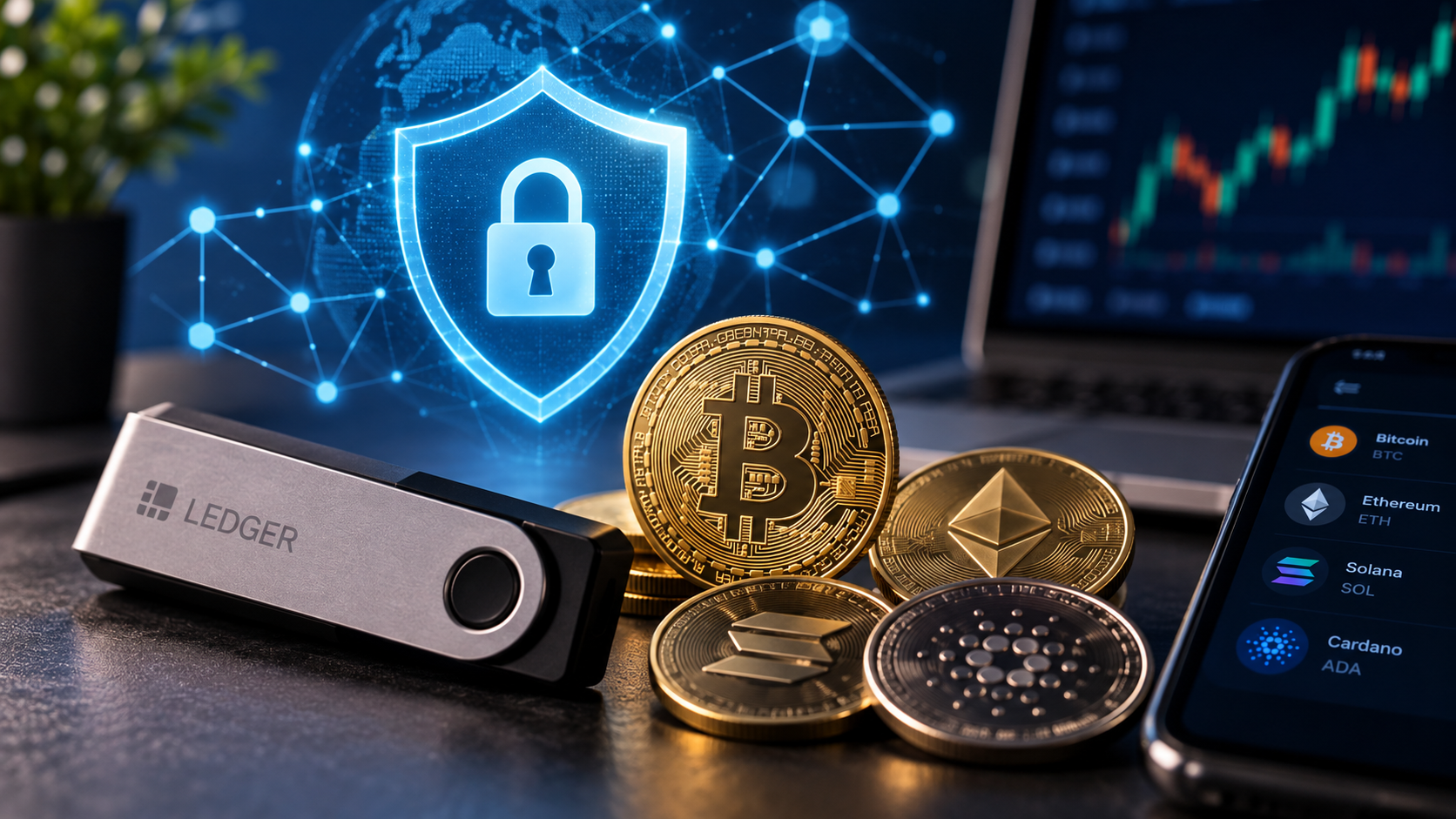
Cryptocurrency security is essential for anyone who owns, trades, or stores digital assets. Unlike many traditional financial transactions, cryptocurrency transfers can be difficult or impossible to reverse, making strong security practices especially important.
The following cryptocurrency security tips can help protect your accounts, wallets, private keys, and digital assets from phishing, account theft, and other common security threats.
1. Use Strong and Unique Passwords
Use a long, unique password for every cryptocurrency exchange, wallet service, and related account. Avoid reusing passwords across different platforms. A reputable password manager can help generate and securely store strong, unique passwords.
2. Enable Two-Factor Authentication (2FA)
Enable two-factor authentication (2FA) on cryptocurrency exchanges and other accounts that support it. When possible, use an authenticator app, passkey, or hardware security key instead of SMS-based verification, which can be more vulnerable to SIM-swapping attacks.
3. Secure Your Seed Phrase
Your seed phrase can provide access to your cryptocurrency wallet and should be protected carefully. Store it offline in a secure location and never share it with anyone. Avoid saving it in cloud storage, email, screenshots, or other internet-connected services.
4. Use a Hardware Wallet for Long-Term Storage
Hardware wallets keep private keys offline, reducing exposure to many online threats. They can be especially useful for long-term storage of cryptocurrency. Purchase hardware wallets from the manufacturer or an authorized seller, and always protect your recovery phrase separately.
5. Protect Yourself from Phishing Attacks
Phishing attacks often use fake emails, messages, websites, or social media accounts to steal login credentials and wallet information. Always verify website addresses before entering sensitive information, avoid clicking suspicious links, and never share your seed phrase or private keys with anyone.
6. Keep Software Updated
Keep your cryptocurrency wallets, mobile apps, browsers, operating systems, and security software up to date. Updates often include important security patches that fix known vulnerabilities. Download wallet software and updates only from official sources.
7. Avoid Public Wi-Fi for Transactions
Avoid accessing cryptocurrency exchanges or wallets over unsecured public Wi-Fi networks. When handling sensitive financial information, use a trusted private network whenever possible. If you must use public Wi-Fi, avoid conducting cryptocurrency transactions until you are on a secure connection.
8. Verify Transaction Details
Double-check the recipient’s wallet address, network, and transaction amount before confirming any cryptocurrency transfer. Because blockchain transactions are often difficult or impossible to reverse, consider sending a small test transaction first when transferring a large amount or using a new address.
9. Use Reputable Exchanges
Choose cryptocurrency exchanges with strong security practices, transparent policies, and appropriate regulatory compliance in your region. Review features such as two-factor authentication, withdrawal protections, account alerts, and asset custody practices. Avoid keeping more cryptocurrency on an exchange than you need for trading.
10. Stay Informed About Cryptocurrency Security
Stay informed about emerging cryptocurrency scams, security threats, and recommended security practices. Use reliable sources, verify unexpected claims independently, and be cautious of social media posts or messages promising guaranteed returns, giveaways, or urgent investment opportunities.
FAQs
Q1: What is the safest way to store cryptocurrencies?
For long-term storage, a properly secured hardware wallet can reduce exposure to online threats by keeping private keys offline. However, no storage method is completely risk-free. Protect your recovery phrase, purchase hardware wallets from trusted sources, and follow the manufacturer’s security instructions.
Q2: How can I recognize a phishing attempt?
Phishing attempts often use fake websites, emails, messages, or social media accounts that imitate legitimate cryptocurrency services. Warning signs include suspicious URLs, unexpected requests for login credentials or seed phrases, urgent messages, and offers that seem too good to be true. Always verify the website or sender before providing sensitive information.
Q3: Why is it important to update my wallet software?
Wallet software updates often include security patches, bug fixes, and other improvements that address known vulnerabilities. Keeping your wallet software up to date can reduce security risks. Always download updates from the wallet’s official source.
Q4: Is it safe to store my seed phrase digitally?
Storing a seed phrase on an internet-connected device, cloud service, email account, or as a screenshot can increase the risk of unauthorized access. For most users, keeping the seed phrase offline in a secure location reduces exposure to online threats. Never share your seed phrase with anyone.
Additional Cryptocurrency Security Resources
CISA – Recognize and Report Phishing
Understanding Blockchain Basics
Final Thoughts on Cryptocurrency Security
Protecting cryptocurrency requires more than a single security measure. Strong passwords, two-factor authentication, secure storage, careful transaction verification, and awareness of phishing attempts all work together to reduce risk.
Cryptocurrency security practices should also evolve as new threats emerge. Review your security settings regularly, keep your software updated, and remain cautious whenever someone asks for your passwords, private keys, or seed phrase.

 Bitcoin
  Ethereum
  Tether
  BNB
BNB  XRP
XRP  USDC
USDC  Solana
  TRON
TRON  Zcash
Zcash  Figure Heloc
1 comment
[…] And don’t miss our internal guide: Top 10 Cryptocurrency Security Tips […]